Introduction
Over the past decade, the demand for non-surgical aesthetic procedures such as skin rejuvenation, anti-aging treatments, and facial enhancement has increased significantly. Patients today prefer minimally invasive solutions that deliver visible yet natural-looking results. This shift has created new career pathways for young medical graduates who are looking for a dynamic, patient-centric specialization.
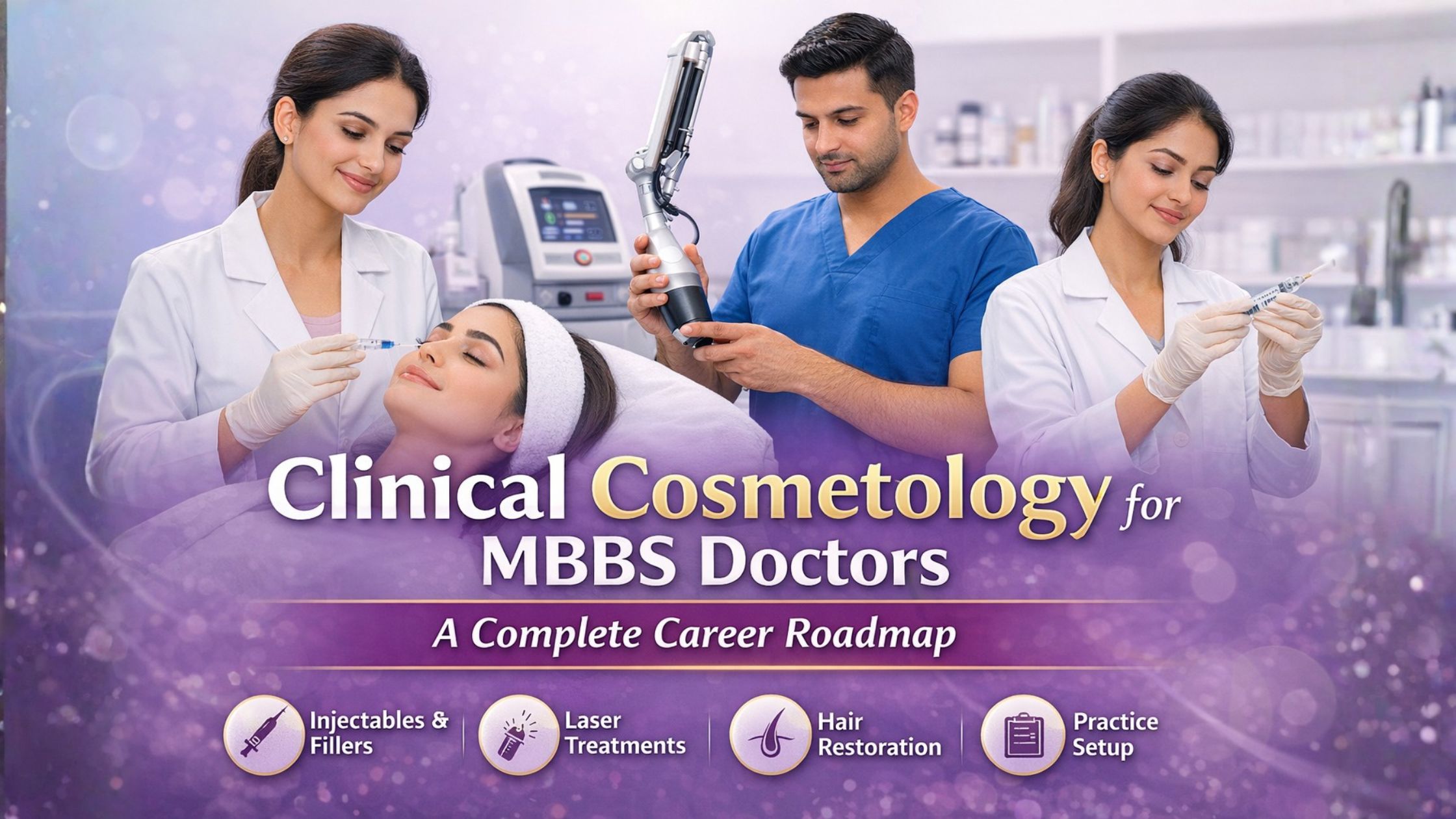
Clinical cosmetology for MBBS doctors is emerging as a preferred field because it blends medical science with aesthetic artistry, opening opportunities for independent practice, entrepreneurship, and specialization. With the right training, doctors can build successful careers in aesthetic medicine, offering treatments that improve confidence, self-image, and overall skin and hair health.
What is Clinical Cosmetology?
Clinical cosmetology involves diagnosing and treating skin, hair, and aesthetic concerns using medically backed procedures and technologies. Unlike general beauty services, which are largely cosmetic and surface-level, clinical cosmetology uses evidence-based techniques that require medical knowledge, precision, and safety.
A clinical cosmetology course for doctors typically focuses on correcting flaws, enhancing facial harmony, managing pigmentation issues, treating scars, and supporting overall dermatological wellness. The approach is rooted in pathology, anatomy, and pharmacology — ensuring every procedure is safe and medically justified.
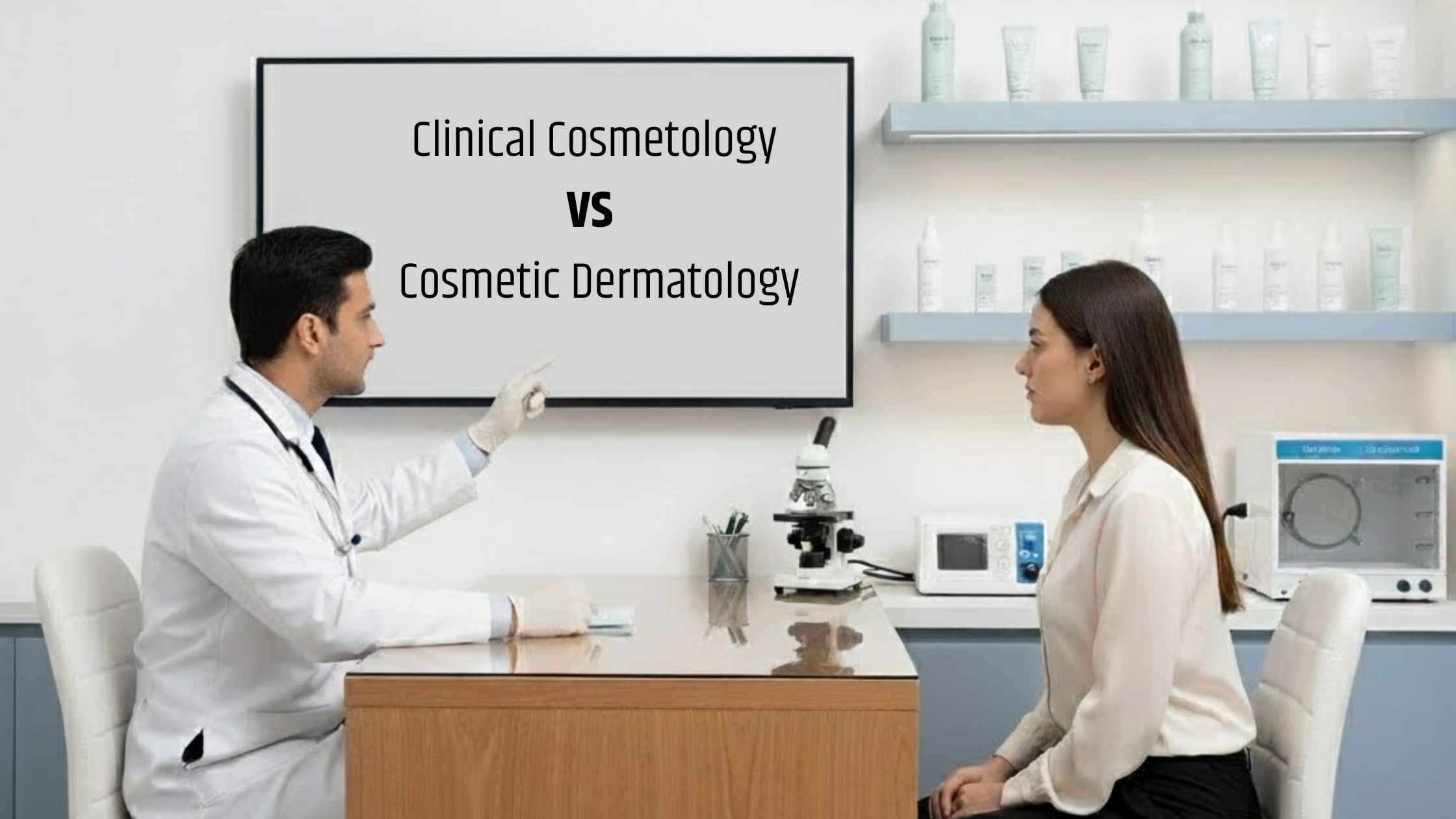
For doctors exploring this field, it is important to understand the difference between clinical cosmetology and cosmetic dermatology, as both have distinct scopes and career pathways.
In simpler terms, while beauty cosmetology focuses on external appearance, medical cosmetology focuses on both appearance and underlying biological factors. This makes it a highly specialized and impactful field ideal for medical professionals.
Why MBBS Doctors Are Choosing Aesthetic Medicine
Aesthetic medicine provides doctors with a flexible and scalable practice model. Many medical graduates prefer it because it allows them to run OPD-style clinics with shorter procedure times and higher patient satisfaction rates.
Additionally, patients today are more conscious about their appearance and are willing to invest in treatments that offer confidence and long-term self-care. This growing trend explains why MBBS professionals are increasingly pursuing cosmetology as a career
Aesthetic medicine training for doctors enables practitioners to perform high-demand, non-surgical procedures such as Botox, fillers, lasers, hair therapies, and skin rejuvenation. Unlike large hospital-based specialties, aesthetic medicine allows doctors to work independently, balance lifestyle and work hours, and expand their services based on patient needs.
Skills & Knowledge Required
To establish a successful practice, doctors must develop strong clinical and procedural skills. This includes understanding the anatomy of the face, skin layers, blood vessel pathways, and ideal injection depths to ensure both safety and aesthetics.
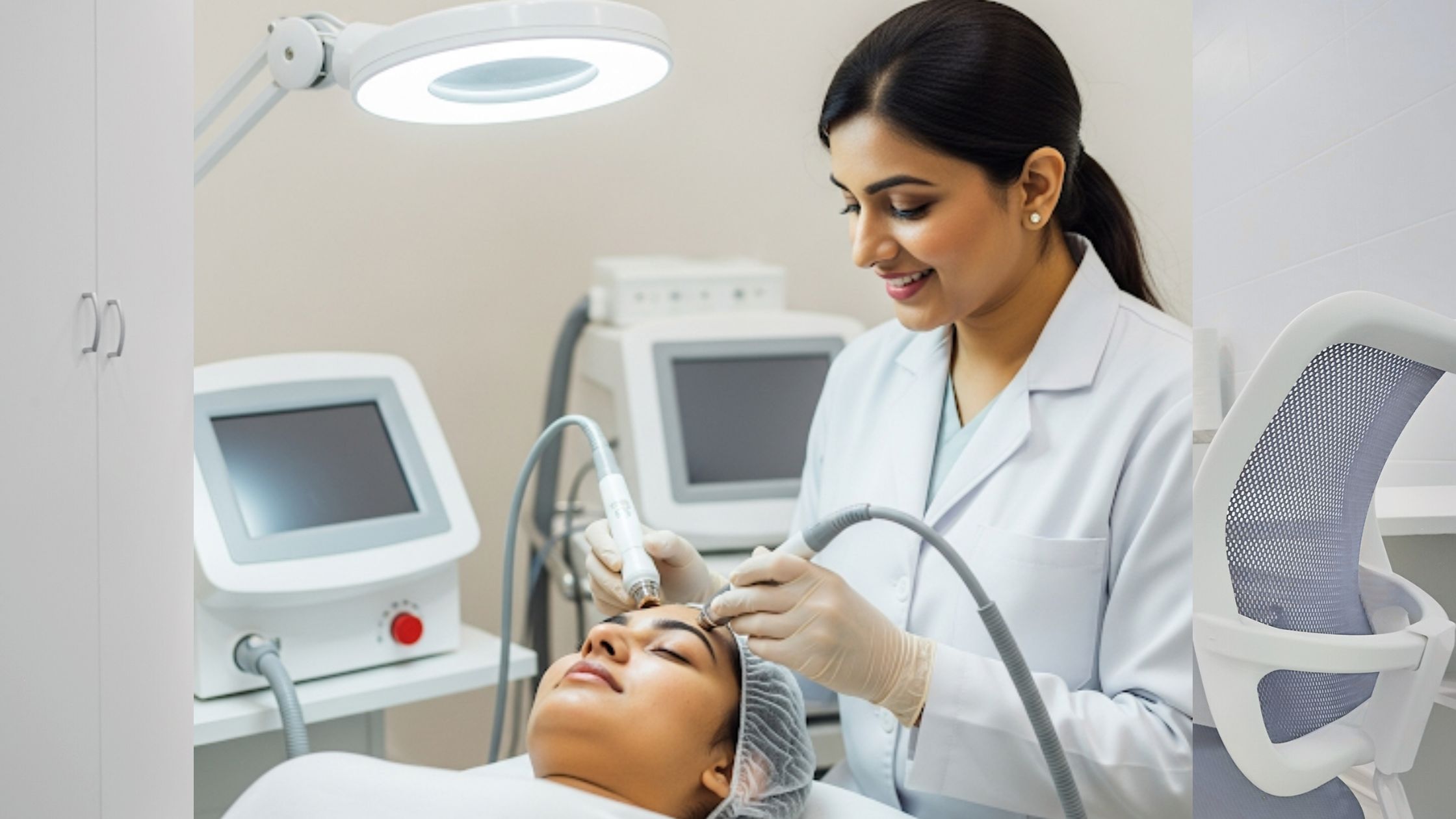
Hands-on expertise in non-invasive aesthetic techniques such as lasers, injectables, PRP treatments, chemical peels, and hair restoration therapies is a core requirement.
Doctors entering this field should also focus on building the essential skills required in clinical cosmetology practice, including consultation planning, complication management, and ethical treatment delivery.
Clinical cosmetology for MBBS doctors emphasizes sterilization protocols, patient safety, and result-oriented treatment planning. When theory is combined with supervised practical exposure, doctors gain the confidence to handle real-world clinical scenarios responsibly.
Scope of Cosmetology for Medical Professionals
The scope of cosmetology for medical professionals is vast and continuously expanding. MBBS doctors can set up standalone aesthetic clinics, collaborate with dermatology centers, join cosmetic surgery practices, or provide specialized services in med-spas and wellness centers.
Doctors often explore this field after understanding the career scope available after completing a clinical cosmetology course.
Freelance opportunities also exist in corporate aesthetic chains and luxury skincare facilities. The growing demand for preventive and anti-aging skincare ensures a stable and long-term patient base. Furthermore, digital platforms have made tele-consultations and virtual skincare guidance viable sources of income.
As awareness of skin health increases, the market for medical-grade aesthetic care is becoming mainstream. Doctors with strong skillsets and specialized training can scale their practice, hire supporting staff, and expand services into hair restoration, injectables, and laser-based dermatology.
Course Curriculum: What Doctors Learn
A structured learning curriculum is essential for mastering both clinical and aesthetic procedures. A clinical cosmetology course for doctors typically covers:
- Injectable Aesthetics: Botox, dermal fillers, facial contouring
- Skin Rejuvenation Procedures: Chemical peels, microneedling, PRP, mesotherapy
- Laser-Based Therapies: Laser hair removal, Q-switch lasers, CO2 lasers
- Hair Treatments: PRP scalp therapy, hair growth stimulants, non-surgical hair restoration
- Pigmentation & Scar Management: Peels, fractional lasers, combination therapies
- Clinical Photography & Case Documentation
- Practice Setup & Branding Essentials
Live demonstrations, hands-on practice, and interaction with real patients form the core of practical training. Exposure to a high volume of cases helps doctors learn how to handle varied skin types, complex concerns, and result-oriented treatment planning.
Benefits of Fellowship-Based Training
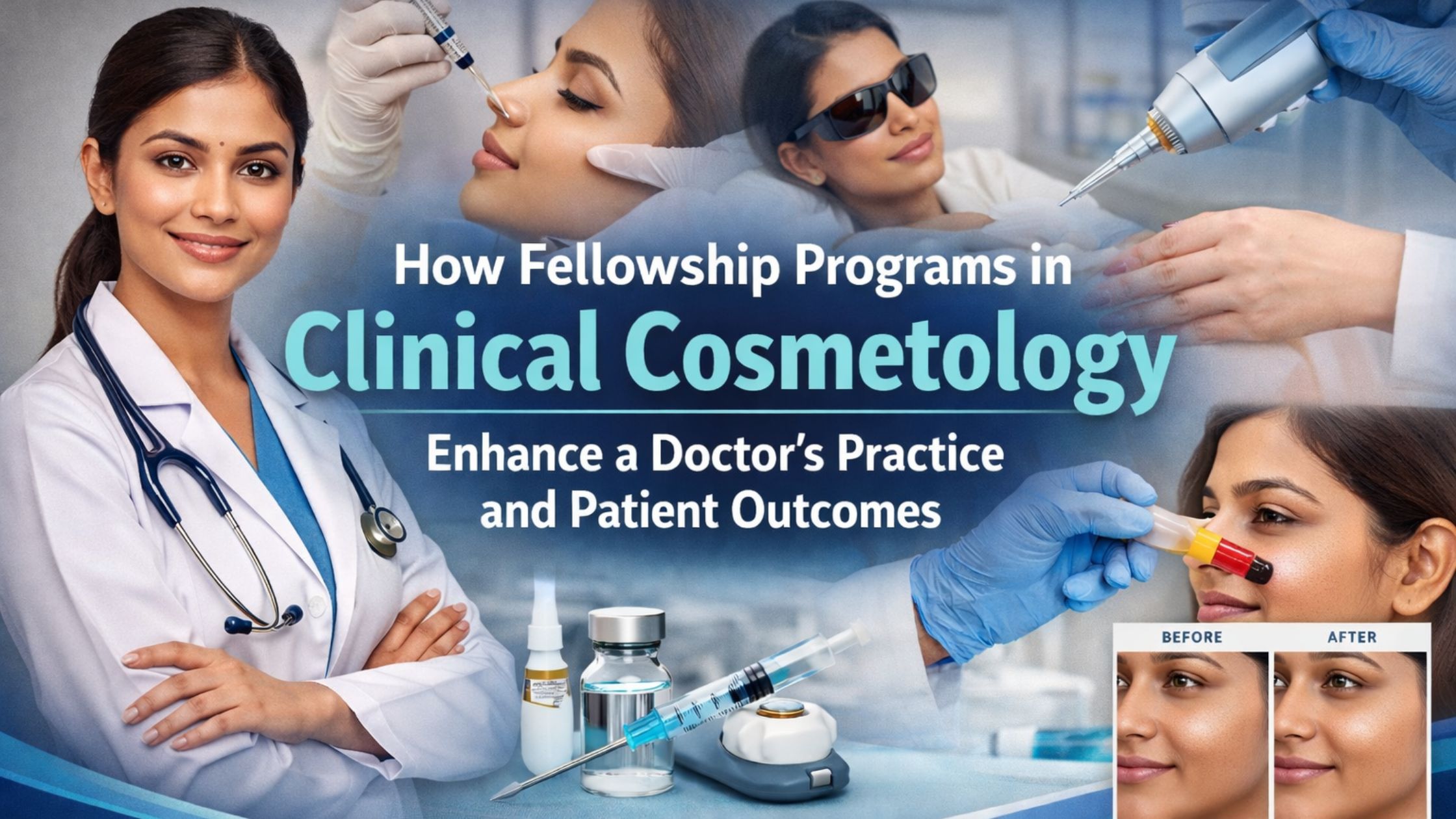
Fellowship programs are preferred because they offer structured mentorship, guided case exposure, and ongoing clinical support. These programs go beyond theoretical concepts and enable doctors to observe, practice, and refine techniques under expert supervision. Aesthetic medicine training for doctors in a fellowship format often combines online theoretical modules with in-person workshops and hands-on clinics.
This flexible learning structure helps practicing doctors upgrade their skills without interrupting their current medical or hospital responsibilities. Fellowship-based training also provides professional networking opportunities, post-training case support, and guidance on clinic setup and patient communication. This ensures the transition from training to independent practice is smooth and confident.
Career Growth Pathways
After completing training, doctors can choose from multiple career directions. Some start independent aesthetic practices or integrate services with existing clinics. Others collaborate with dermatology and cosmetic surgery centers where they perform injectables, hair treatments, and laser procedures. There are also opportunities in hospital-based aesthetic units and luxury wellness establishments.
With experience, doctors can diversify into advanced certifications, international fellowships, or specialization in injectables or regenerative aesthetics. Clinical cosmetology for MBBS doctors also provides entrepreneurial pathways, allowing practitioners to expand into staff hiring, equipment investment, franchising, or multi-city aesthetic clinic chains. With the right positioning, doctors can build a strong personal brand and long-term professional identity in the aesthetic field.
How to Choose the Right Course
When selecting a training program, ensure it provides:
- Valid medical accreditation
- Faculty with dermatology and aesthetic medicine expertise
- Strong hands-on clinical exposure
- Live patient case discussions
- Post-training support and mentorship
Conclusion
Clinical cosmetology is a fast-growing medical field that combines science, creativity, patient satisfaction, and professional independence. For MBBS doctors seeking a specialization with stable income potential and long-term career relevance, this field offers an excellent opportunity to grow and build a strong clinical identity.
To learn more about course duration, fellowship structure, hands-on training, and enrollment guidance, visit the official IBCD Clinical Cosmetology Course page.