Introduction
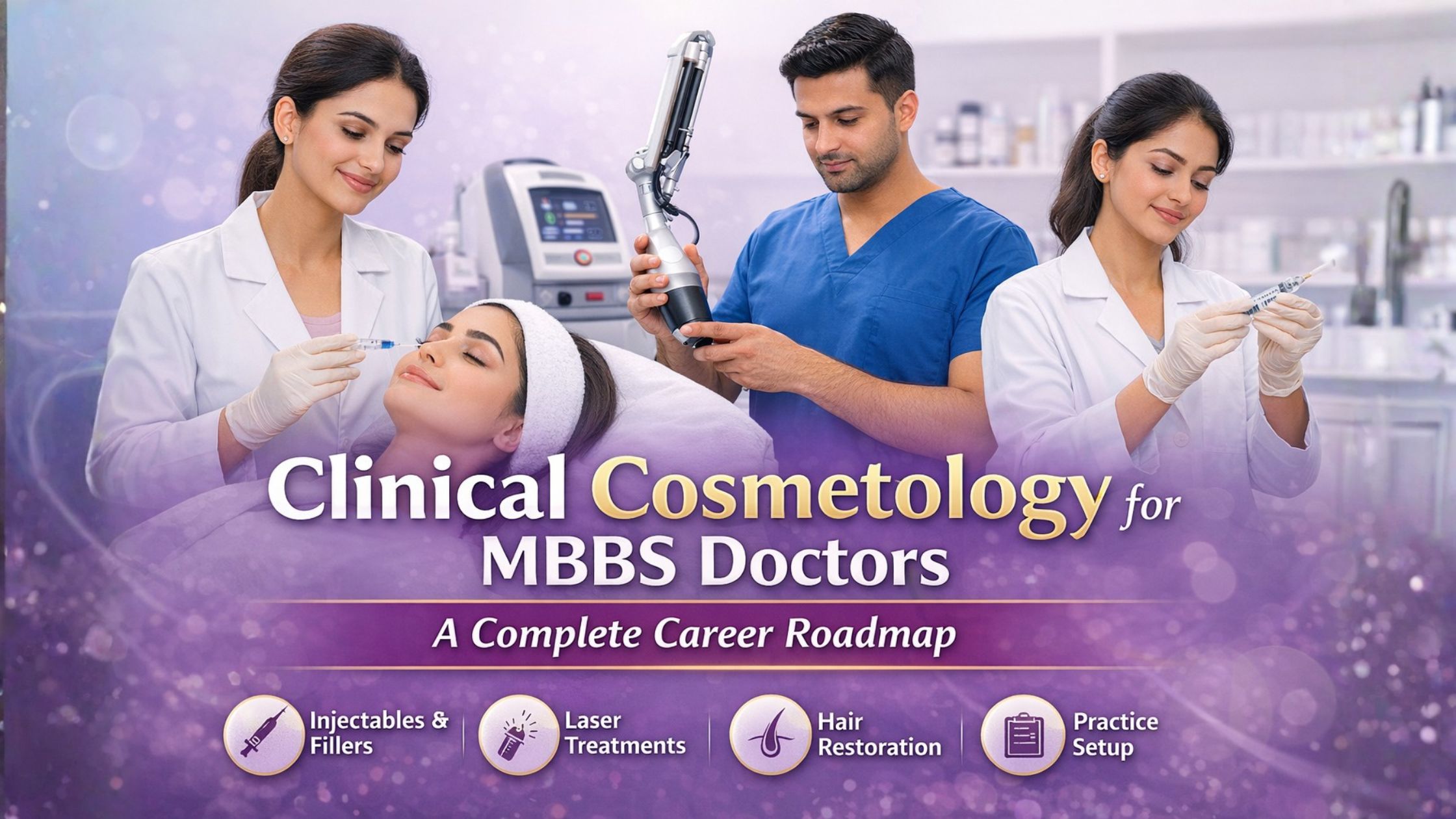
The demand for minimally invasive aesthetic and skin-rejuvenation procedures has increased rapidly in recent years. Patients are now choosing safe, evidence-based treatments that offer natural-looking results without the need for surgery or long recovery periods. This shift has encouraged many medical professionals to transition from general practice or hospital-based roles toward a focused career in clinical cosmetology.
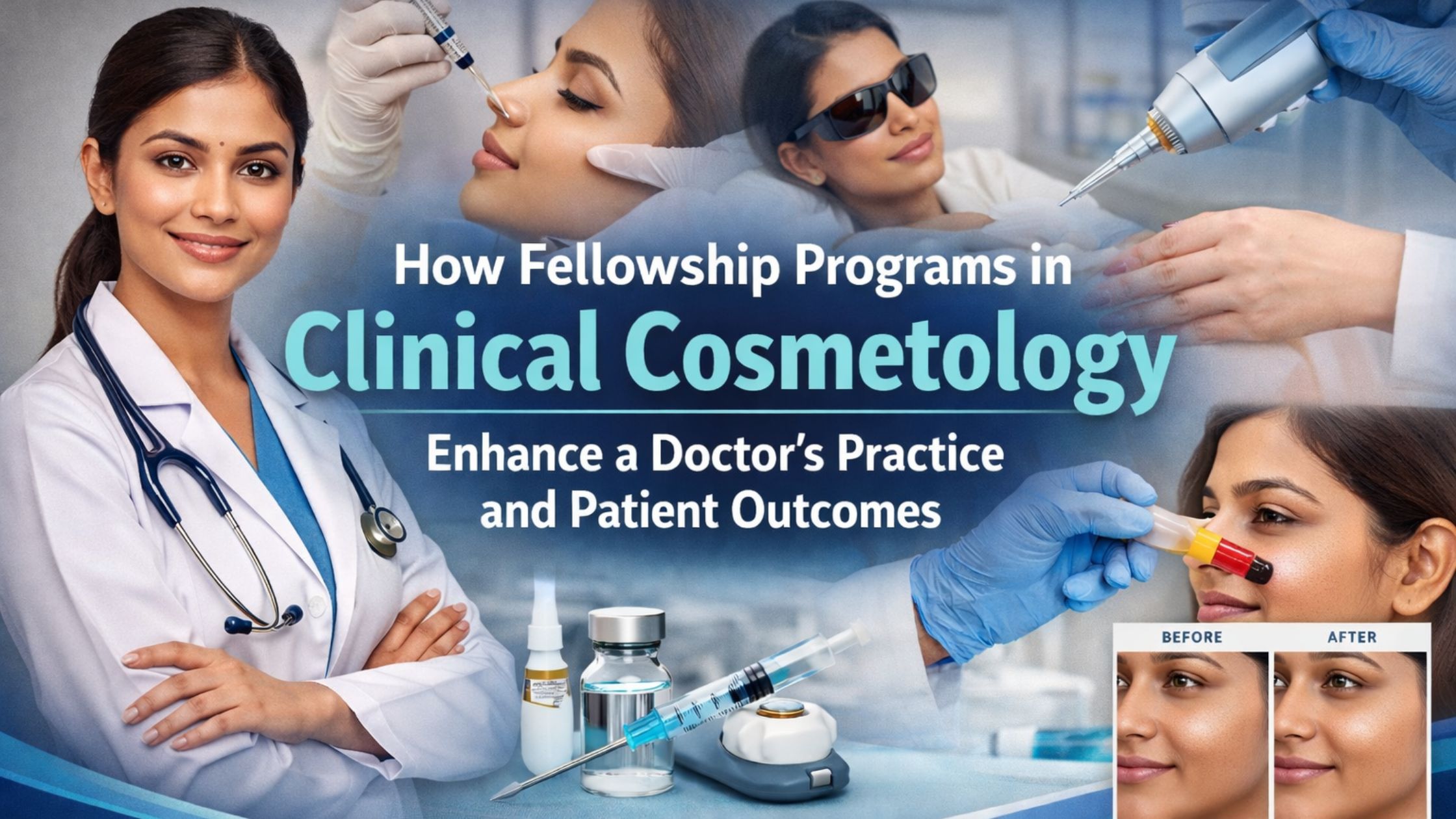
A clinical cosmetology fellowship for doctors serves as a structured pathway to enter this field confidently. By combining theoretical understanding with hands-on procedural exposure, fellowship programs empower doctors to deliver safer and more personalized cosmetic treatments. As patient awareness grows, the role of well-trained medical professionals in aesthetics is becoming more crucial than ever.
Why Fellowship Training Matters in Modern Aesthetic Medicine
Today’s aesthetic patient is informed, cautious, and outcome-driven. They actively seek non-invasive techniques in aesthetics that deliver visible improvement with minimal downtime. They expect customized treatment plans that align with facial structure, age-related concerns, skin type, and lifestyle. Achieving natural-looking outcomes requires a strong understanding of anatomy, product science, and procedural precision.
Fellowship-based learning provides this foundation. It trains doctors to evaluate skin and facial anatomy accurately, understand treatment depth and dosage, and follow safety-first protocols. The benefits of cosmetology training for doctors also extend to communication and patient counseling, helping practitioners set realistic expectations. In a rapidly evolving field, a structured fellowship ensures doctors remain clinically updated and practice with confidence.
Key Components of a Clinical Cosmetology Fellowship
A comprehensive fellowship program focuses on building both the scientific and procedural competencies required for aesthetic medical practice. Doctors learn:
- Detailed facial and skin anatomy to guide safe treatment planning
- Injectable procedures, including neurotoxins and dermal fillers
- Chemical peels and skin rejuvenation protocols
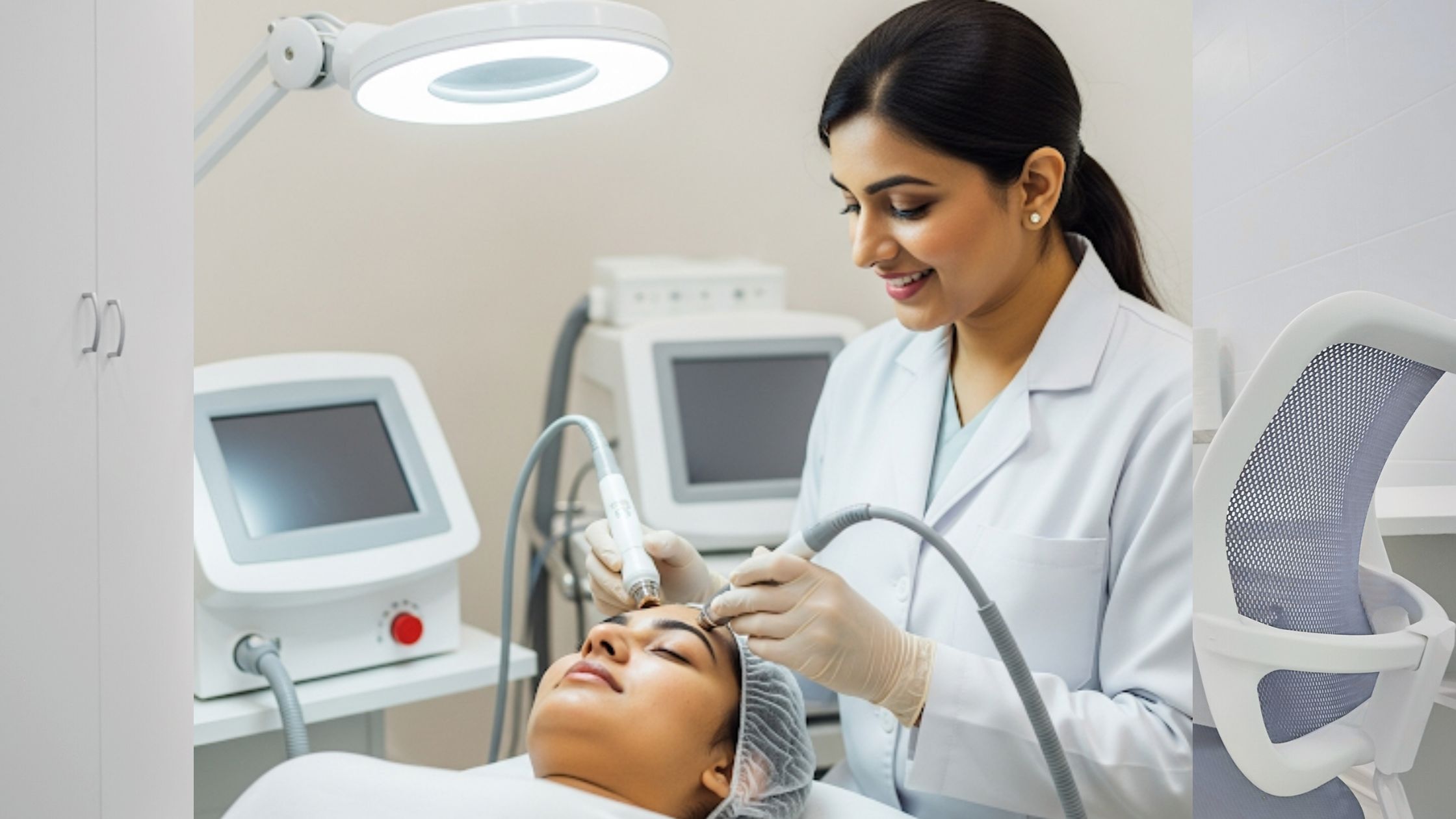
- Laser-based therapies for pigmentation, resurfacing, and hair reduction
- PRP and regenerative hair treatments to support scalp and tissue restoration
- Patient evaluation, consultation, sequencing, and post-care planning
- Complication prevention and management for safe, confident practice
Clinical learning in fellowship programs includes live case observation, hands-on workshops, and guided procedure assistance, ensuring real-world exposure. A clinical cosmetology fellowship for doctors also emphasizes clinical record-keeping, ethical practice, photography for progress tracking, and patient communication—skills essential for professional credibility and trust-building.
How Fellowship Training Enhances Aesthetic Practice Quality
With structured training, doctors diagnose aesthetic concerns with greater clarity and clinical reasoning rather than trend-following. Fellowship exposure strengthens core skills in clinical cosmetology for doctors, including facial assessment, treatment planning, and modality selection. Understanding injection planes, laser parameters, and tissue response allows practitioners to recommend only what is necessary for the patient.
This results in predictable, balanced, and refined outcomes. Fellowship-trained doctors are also better equipped to combine multiple modalities—such as injectables, lasers, and skin therapies—for comprehensive care. As a result, aesthetic practice improvement occurs naturally, enhancing both treatment quality and professional credibility.
Improved Patient Outcomes Through Clinical Competency
Patient satisfaction is strongly tied to safety, clarity of communication, and visible yet subtle aesthetic change. Fellowship training equips doctors with standardized protocols that reduce complications and ensure consistent procedural execution. This not only improves outcomes but also strengthens long-term trust and patient loyalty.
The benefits of cosmetology training for doctors include improved case selection, better treatment sequencing, and the ability to manage unexpected responses confidently. Trained doctors can more effectively evaluate which aesthetic approaches will deliver meaningful results and which should be avoided to maintain safety and natural harmony. This results in satisfied patients who feel heard, guided, and cared for throughout their aesthetic journey.
Practical and Business Advantages for Doctors
In addition to clinical skill enhancement, fellowship training supports practice growth and service expansion. Doctors can introduce a wider range of high-demand aesthetic services, including injectables, non-invasive anti-aging treatments, hair growth therapies, and laser-based procedures. This diversification drives aesthetic practice improvement by increasing repeat visits, referral rates, and overall patient engagement.
Aesthetic medicine also offers flexibility in clinic hours, improved work-life balance, and professional autonomy. As patient awareness increases in cities and smaller regions alike, fellowship-trained doctors are well-positioned to build sustainable and meaningful practices. The ability to deliver visible, confidence-boosting outcomes naturally strengthens professional reputation and revenue stability over time.
Choosing the Right Fellowship Program
Not all training programs provide the depth and clinical mentorship required for safe and successful aesthetic practice.
When selecting a program, doctors should look for:
- Faculty with real clinical and aesthetic medicine experience
- Structured curriculum backed by medical science
- Access to live patient cases and hands-on skill-building
- Post-training support for clinical queries and practice setup guidance
These factors maximize the benefits of cosmetology training for doctors and ensure real-world readiness.
Long-Term Career Growth and Professional Recognition
Aesthetic medicine is a field that evolves every year, offering ongoing opportunities to specialize further in facial injectables, anti-aging science, trichology, laser dermatology, and regenerative procedures. Doctors may also progress into mentorship, clinical teaching, collaborative consulting, or entrepreneurship in aesthetic wellness centers.
Completing a clinical cosmetology fellowship for doctors also enhances credibility among patients and peers, reinforcing professional identity in a rapidly growing specialty. As doctors continue to refine techniques, build clinical portfolios, and expand patient trust, they establish long-term professional recognition and a meaningful career pathway driven by visible impact and personalized care.
Conclusion
Fellowship-based training in clinical cosmetology elevates treatment quality, strengthens patient relationships, and supports sustainable practice growth. Doctors who undergo structured, mentor-led training are better equipped to deliver safe, natural, and patient-centered aesthetic outcomes.
To learn more about hands-on modules, mentorship format, case learning, and enrollment guidance, visit the official course page: Clinical Cosmetology Course