Introduction – Why Clinical Cosmetology Skills Matter for Doctors
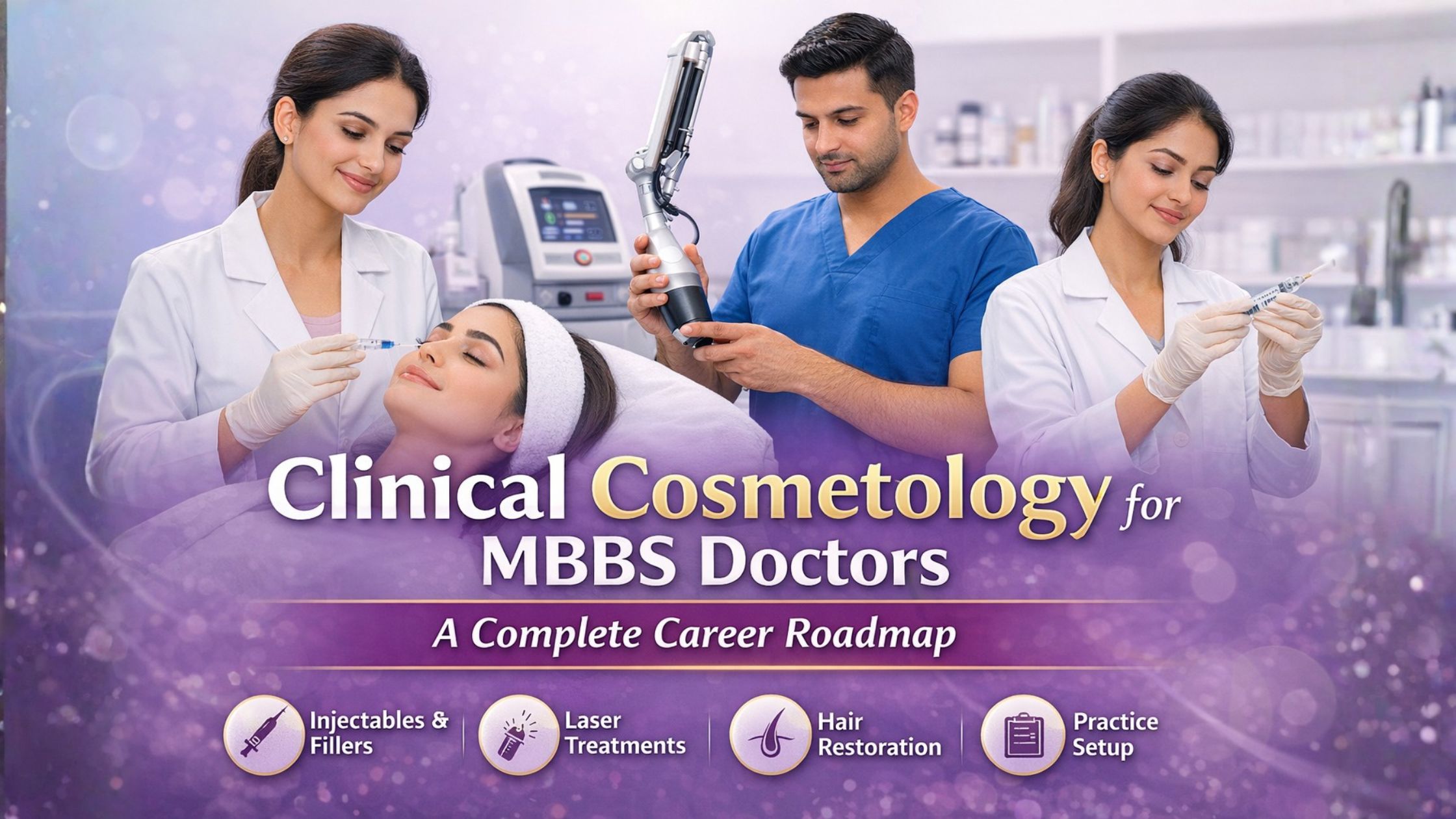
The field of aesthetic medicine is growing rapidly, and MBBS doctors are increasingly recognizing the opportunities it brings. With more patients seeking advanced treatments to enhance their appearance, the need for well-trained professionals in cosmetology has never been greater.
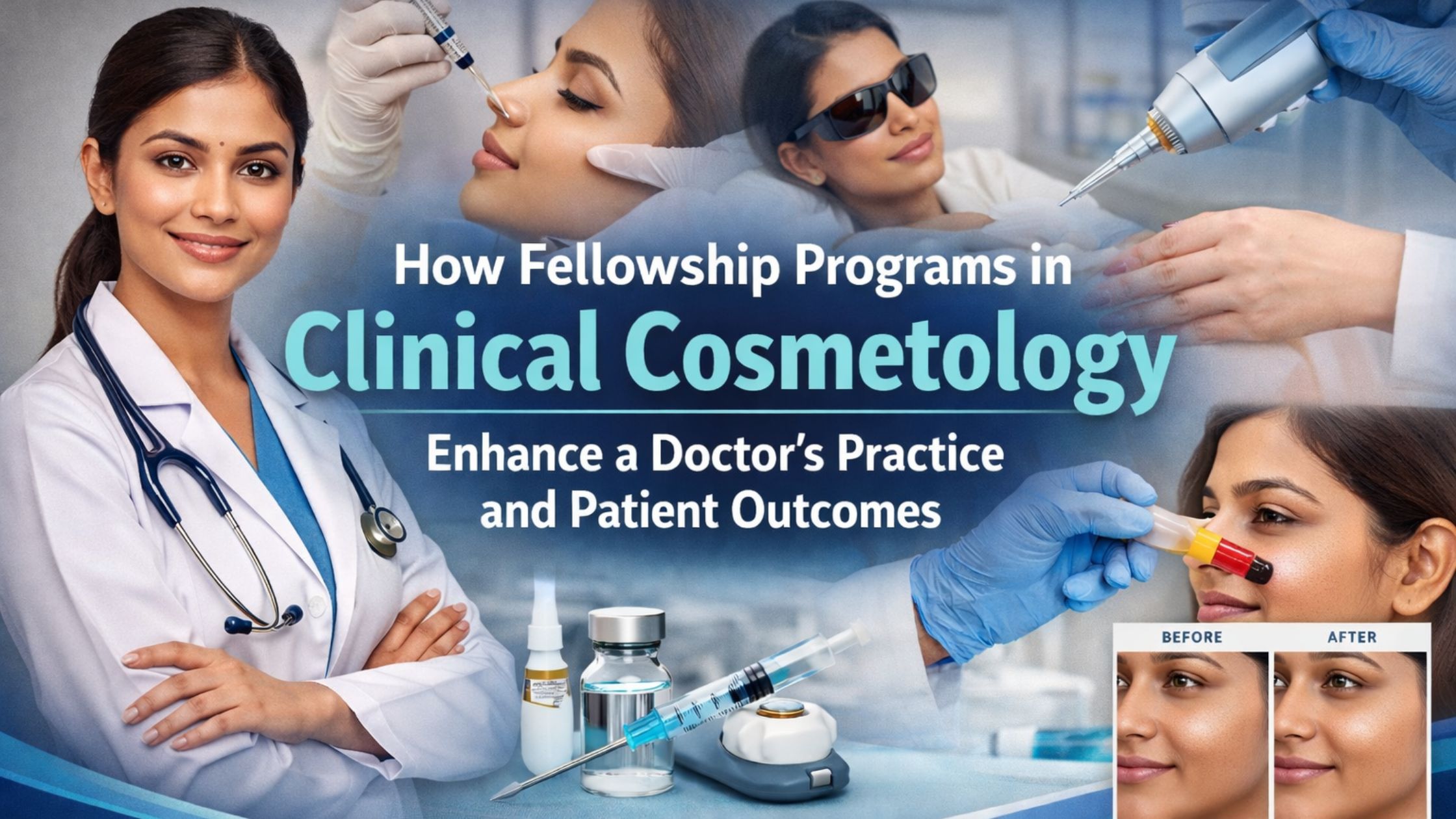
For doctors, developing skills in clinical cosmetology means more than just learning new procedures—it’s about offering comprehensive care that combines medical expertise with modern aesthetics. By enrolling in a structured fellowship, doctors gain practical exposure, patient-handling experience, and credibility in an ever-competitive healthcare market. This pathway ensures they stay ahead of evolving patient demands while strengthening both career prospects and clinical outcomes.
Skill 1 – Advanced Skin Rejuvenation Techniques
One of the most valuable skills gained during a clinical cosmetology fellowship is expertise in skin rejuvenation. These procedures focus on restoring youthful skin, enhancing texture, and addressing common concerns such as acne scars, pigmentation, and dullness.
Key treatments include:
- Microneedling for collagen stimulation and scar reduction.
- PRP (Platelet-Rich Plasma) therapy for natural skin healing and rejuvenation.
- Chemical Peels to improve skin tone and reduce pigmentation.
Practical training ensures doctors not only understand these procedures theoretically but also perform them safely and effectively. Patients benefit from noticeable, long-lasting results, which significantly enhance trust in a doctor’s practice.
This is where dermal filler and chemical peel training becomes highly relevant—doctors learn how to assess skin conditions and apply the right rejuvenation techniques for each patient, resulting in tailored and successful outcomes.
Skill 2 – Mastery of Dermal Fillers
Dermal fillers are among the most in-demand procedures in modern aesthetics. They help restore facial volume, reduce wrinkles, and enhance features like lips, cheeks, and jawlines. In a fellowship, doctors gain both the science and the art behind this practice.
Key learning areas include:
- Types of Fillers: Understanding hyaluronic acid-based and collagen-stimulating fillers.
- Injection Techniques: Safe and precise methods for achieving natural results.
- Patient Assessment: Determining suitability, setting realistic expectations, and minimizing risks.
For MBBS doctors, dermal fillers offer a new dimension of service, expanding their treatment portfolio while boosting patient satisfaction. Hands-on sessions ensure confidence in delivering results that align with patient needs.
This makes dermal filler and chemical peel training an essential component of clinical cosmetology, equipping doctors with high-demand skills that contribute to both career growth and patient loyalty.
Skill 3 – Handling Cosmetic Equipment and Technologies
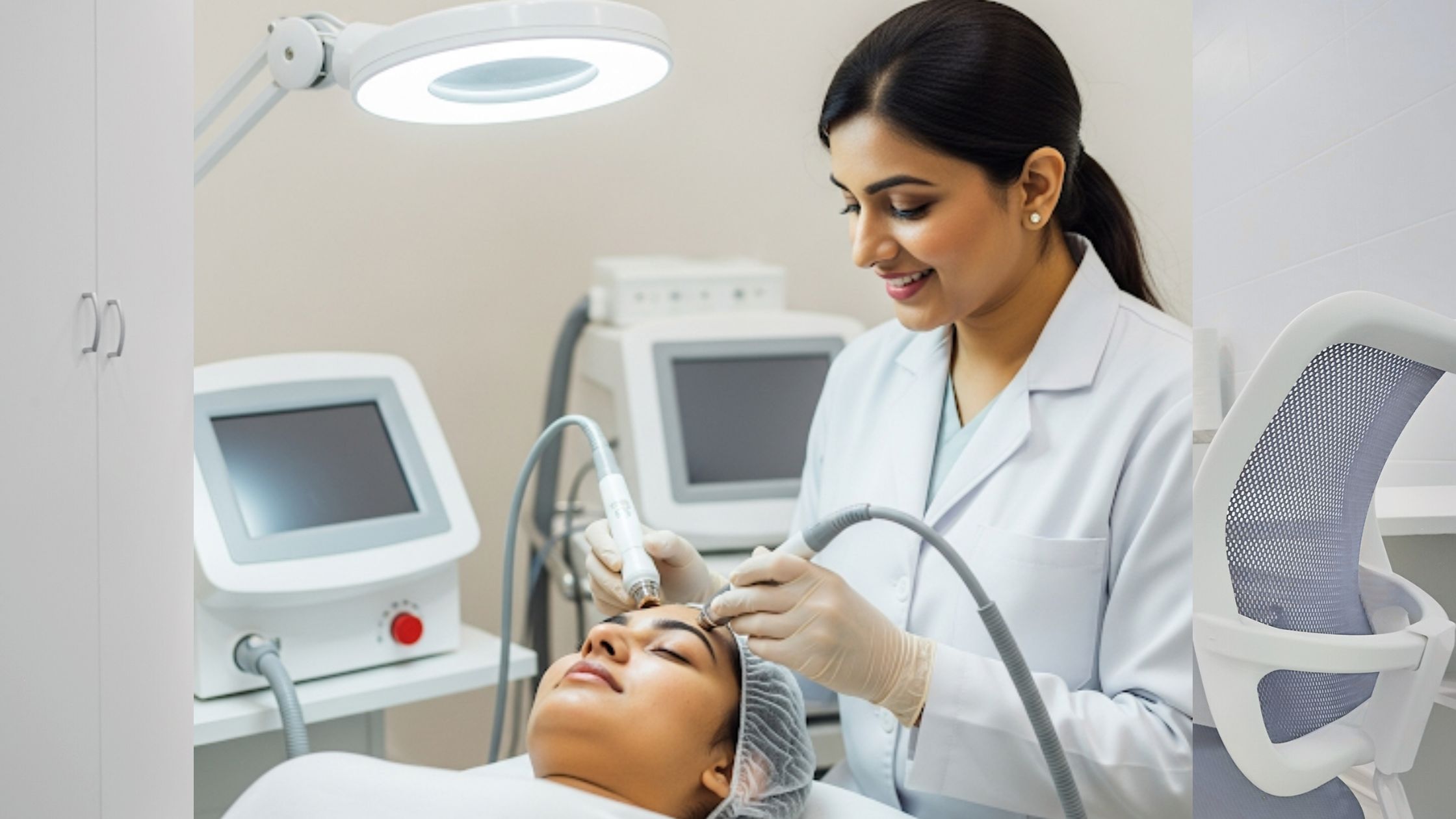
Modern cosmetology heavily relies on advanced technology. From lasers that address pigmentation and hair removal to radiofrequency devices that tighten skin, mastering these machines is vital for any aesthetic practitioner.
In a fellowship, doctors receive structured training in:
- Laser Treatments for Resurfacing, Scar Removal, and Pigmentation.
- Hydrafacials for deep skin hydration and cleansing.
- Radiofrequency & Ultrasound Devices for non-surgical skin tightening.
Along with operating these machines, doctors also learn safety protocols, calibration, and maintenance techniques—ensuring both patient safety and equipment longevity.
This hands-on exposure enhances technical competence, making fellowship graduates highly sought after. These Clinical Cosmetology Fellowship Skills add significant value to a medical practice, allowing doctors to offer advanced solutions with confidence.
Skill 4 – Real-Life Case Management
Beyond technical expertise, doctors must also develop clinical judgment to succeed in cosmetology. A fellowship emphasizes learning through real-life case management, which builds confidence in handling diverse patient scenarios.
This includes:
- Conducting detailed consultations to understand patient goals.
- Designing treatment plans tailored to individual needs.
- Making clinical decisions when faced with complications or unexpected outcomes.
- Learning from supervised case studies to refine decision-making skills.
By gaining exposure to practical, everyday situations, doctors sharpen their ability to combine theory with practice. This ensures they can apply their skills in clinical cosmetology effectively in real-world environments, delivering safe and personalized care.
Skill 5 – Integrating Aesthetic Procedures into Medical Practice
The ultimate goal of training is not just to learn, but to apply. A fellowship prepares doctors to seamlessly integrate cosmetology procedures into their existing practice.
This involves:
- Ethical Considerations: Ensuring treatments are safe, evidence-based, and patient-centric.
- Effective Communication: Educating patients about realistic results, side effects, and post-treatment care.
- Follow-Up Care: Monitoring recovery and ensuring long-term satisfaction.
- Practice Expansion: Adding aesthetic services alongside general medical practice to diversify income streams.
These Clinical Cosmetology Fellowship Skills not only elevate professional credibility but also position doctors as trusted providers of holistic healthcare—addressing both medical and aesthetic needs of their patients.
Conclusion
A clinical cosmetology fellowship equips doctors with specialized expertise that goes beyond standard medical training. From skin rejuvenation and dermal fillers to advanced technologies and real-life patient management, the journey ensures mastery of the most relevant and in-demand procedures.
By developing skills in clinical cosmetology, doctors can provide comprehensive, ethical, and high-quality care while expanding their career opportunities in the booming field of aesthetic medicine.
Start mastering these essential skills today by enrolling in a comprehensive clinical cosmetology fellowship—and take the next big step in your medical career.